Hike Your Hike 6 | Live Life on Your Own Terms
Full article
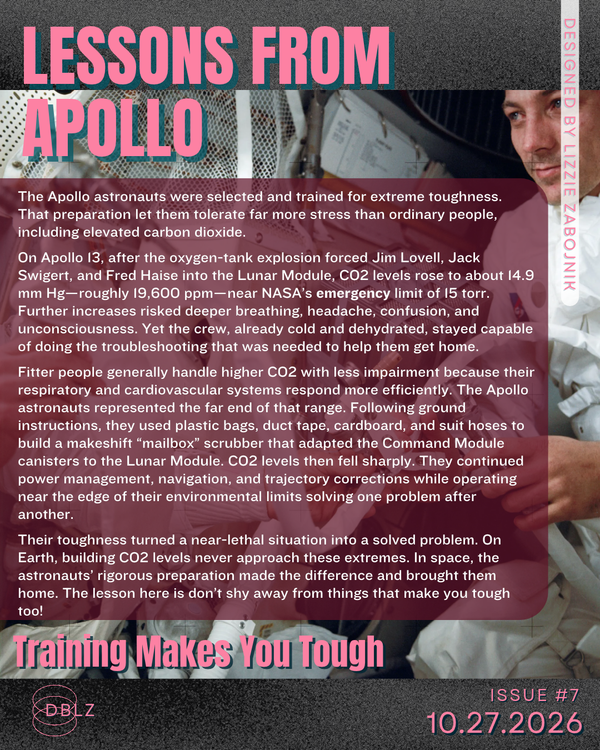
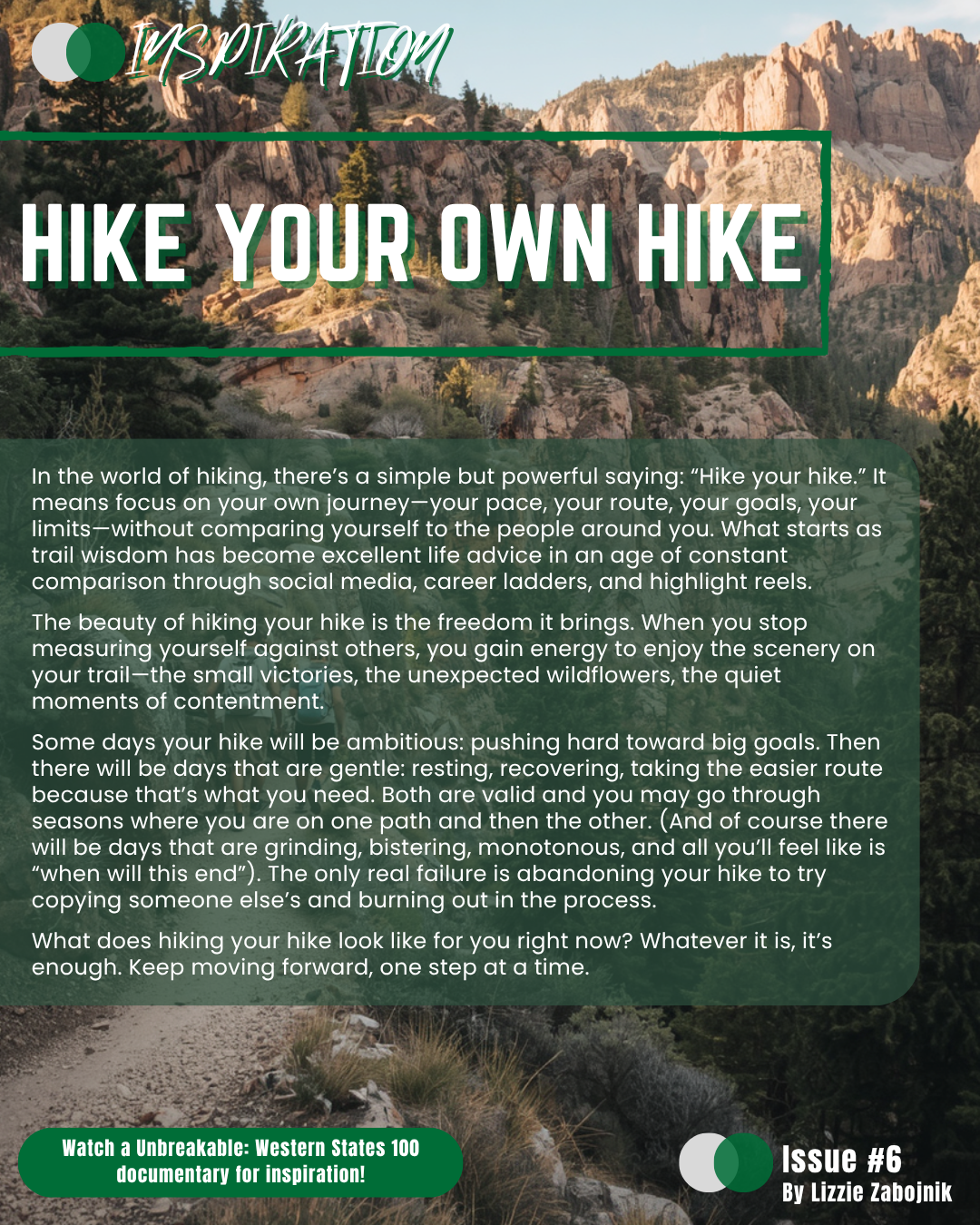
In the world of hiking, there’s a simple but powerful saying: “Hike your hike.” It means focus on your own journey—your pace, your route, your goals, your limits—without comparing yourself to the people around you. What starts as trail wisdom has become excellent life advice in an age of constant comparison through social media, career ladders, and highlight reels.
What “Hike Your Hike” Really Means
At its core, “hike your hike” is about radical self-acceptance and personal agency. It reminds us that:
- Everyone’s path is different.
- Comparison is the thief of joy (and often inaccurate).
- Doing what you can today is enough.
- Your value isn’t determined by how fast, far, or impressively you move compared to others.
Life isn’t a standardized race with identical starting lines, equipment, or finish lines. Some people are sprinting up steep switchbacks while others are gently strolling a flat forest path—and both can be equally valid and fulfilling.
Practical, Realistic Examples
Here’s what “hike your hike” looks like in everyday life:
1. Career and Ambition
Your friend lands a big promotion at 28 and posts about buying a house. You’re 32, still figuring out your direction, maybe switched careers, or took time off for family or health. Hike your hike means recognizing that their trail (steady corporate climb with no major detours) is different from yours (perhaps with side quests, restarts, or different priorities). Celebrate them without diminishing your own progress. Your “summit” might look like meaningful work you enjoy, stability for your family, or finally mastering a skill—none of which require matching their timeline.
2. Fitness and Physical Ability
At the gym or on social media, you see people running marathons, lifting heavy weights, or sporting six-packs. Meanwhile, you’re celebrating walking 10,000 steps a day after knee surgery, or consistently showing up for 20-minute workouts while managing chronic fatigue or a demanding job. Hike your hike means honoring your body’s current reality. A person recovering from injury who walks a mile is “winning” their hike just as much as an elite athlete crushing a 50K ultra. Progress is personal.
3. Parenting and Family Life
One parent has kids in multiple sports, homemade meals every night, and a spotless house. You’re doing school drop-offs, microwave dinners some nights, and surviving on coffee while working. Both approaches can produce happy, healthy kids. Hike your hike here means accepting that your family’s rhythm—perhaps more relaxed, screen-time inclusive on tough days, or focused on different values—fits your energy, finances, and circumstances. Comparison often leads to unnecessary guilt.
4. Financial Journey
Your college roommate is posting about early retirement, stock gains, and vacations. You’re still paying off student loans, building an emergency fund slowly, or supporting aging parents. Hike your hike means focusing on your budget, your risk tolerance, your income level, and your definition of security. Someone driving a luxury car might have massive debt; someone living modestly might have significant investments. Visible success rarely tells the full story.
5. Personal Growth and Hobbies
You want to learn guitar but can only practice 15 minutes a few times a week. Meanwhile, a friend is posting daily practice videos and gigging already. Hike your hike is showing up consistently for your own small sessions without shame. The person practicing 15 minutes daily for years often outperforms the person who burns out after intense but unsustainable bursts.
Why Comparison Hurts (and How to Stop)
Social media and modern culture amplify the problem by showing everyone’s highlight reel while hiding blisters, wrong turns, rest breaks, and storms. When you compare, you’re usually stacking your entire unfiltered reality against someone else’s curated best moments.
Practical ways to “hike your hike” more intentionally:
- Mute or limit exposure to accounts that trigger comparison.
- Keep your own metrics — track personal bests, not relative standings.
- Practice gratitude for your unique trail — the views, lessons, and people special to your path.
- Ask better questions: Not “How do I catch up?” but “What does sustainable progress look like for me right now?”
- Celebrate others without self-criticism — their success doesn’t subtract from yours.
The Freedom of Your Own Path
The beauty of hiking your hike is the freedom it brings. When you stop measuring yourself against others, you gain energy to enjoy the scenery on your trail—the small victories, the unexpected wildflowers, the quiet moments of contentment.
Some days your hike will be ambitious: pushing hard toward big goals. Other days it will be gentle: resting, recovering, taking the easier route because that’s what you need. Both are valid. (And of course there will be days that are grinding, bistering, monotonous, and all you’ll feel like is “when will this end”). The only real failure is abandoning your hike to try copying someone else’s and burning out in the process.
So lace up your boots—metaphorical or literal—and remember:
The mountain doesn’t care how fast you climb it.
The trail doesn’t judge your pace.
Your only job is to hike your hike.
What does hiking your hike look like for you right now? Whatever it is, it’s enough. Keep moving forward, one step at a time.
Watch Unbreakable: Western States 100 documentary for inspiration